· Updated · Material Guide · 8 min read
Cotton, Velvet and Jute Packaging Bags: B2B Material Guide
Compare cotton, velvet and jute packaging bags by appearance, product fit, logo method, MOQ, sampling and the sourcing details buyers should confirm.
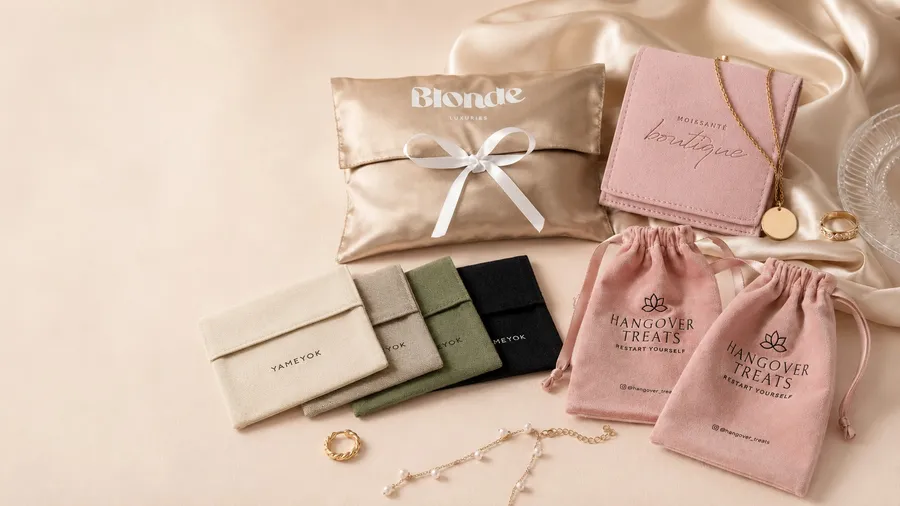
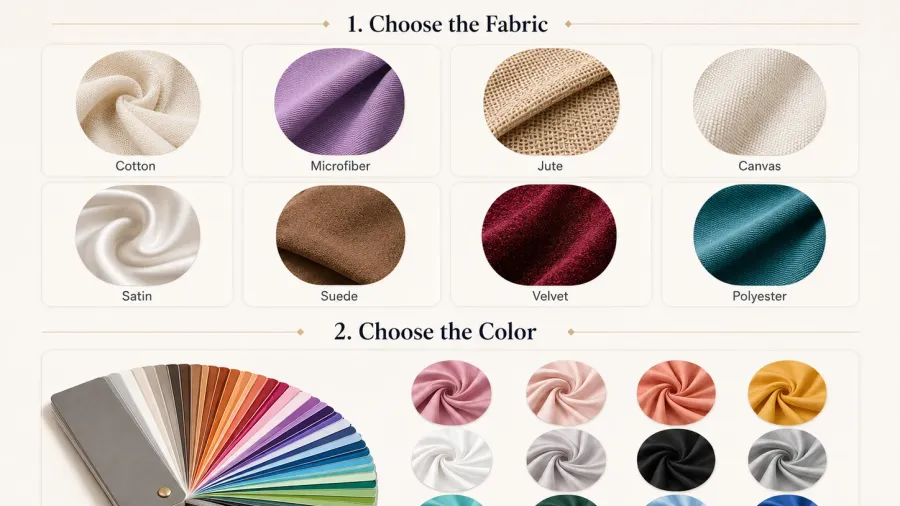
Cotton, velvet and jute bags can all be customized for retail, jewelry, gift and promotional packaging, but they create very different results. The right material depends on the packed product, required appearance, logo artwork, bag structure, repeat-order plan and the claims a brand intends to make.
This guide helps B2B buyers compare cotton packaging bags, velvet pouches and custom jute bags before requesting samples or a wholesale quotation.
Quick Answer
- Choose cotton for a soft natural look, flexible bag structures and practical logo printing.
- Choose velvet for premium presentation, jewelry packaging and gift programs where hand feel matters.
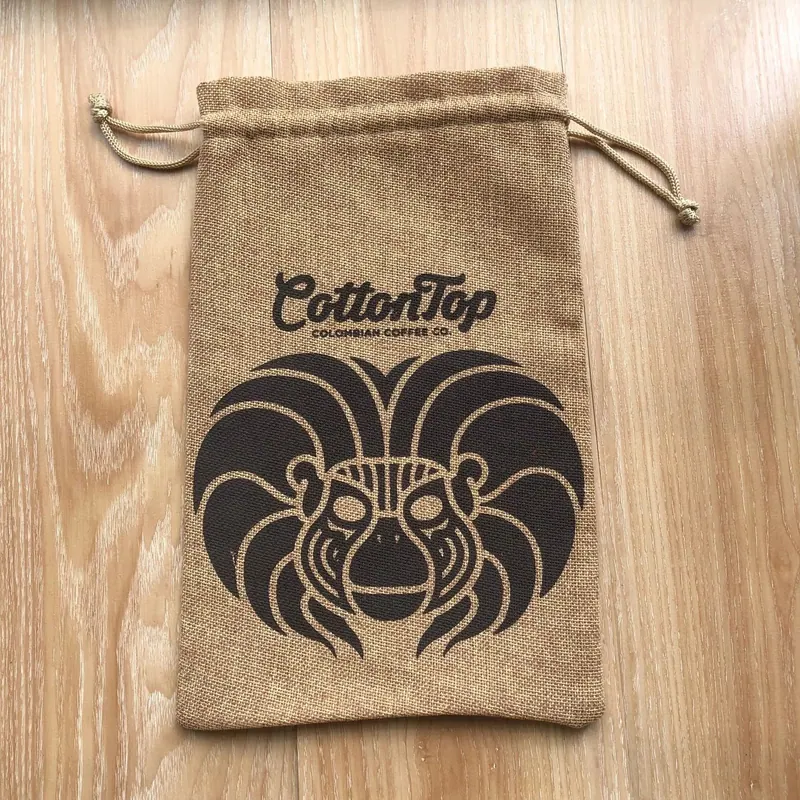
- Choose jute for a rustic woven appearance, structured totes, drawstring bags and retail packaging that benefits from a natural-fiber look.
Do not select a material from appearance alone. Confirm fabric weight, weave or pile, finished size, product weight, closure, logo process, packing method and destination requirements before approving a sample.
Cotton vs Velvet vs Jute Packaging Bags
| Comparison Point | Cotton | Velvet | Jute |
|---|---|---|---|
| Appearance | Natural, soft and versatile | Plush, premium and gift-focused | Rustic, textured and structured |
| Common uses | Cosmetics, candles, soap, jewelry, apparel accessories and promotions | Jewelry, watches, beauty gifts, event favors and boutique products | Gift sets, wine, food-related outer packaging, shopping totes and promotional programs |
| Common structures | Drawstring pouch, muslin bag, canvas bag and tote | Drawstring pouch, flat pouch, envelope pouch and lined bag | Drawstring pouch, tote, shopping bag, wine bag and gusseted bag |
| Logo methods | Screen printing, digital print, embroidery and labels | Foil stamping, embroidery, screen printing and labels | Screen printing, heat transfer, labels, patches and hang tags |
| Main buyer checks | Fabric weight, shrinkage expectations, color and print area | Pile density, color, lining, logo clarity and product fit | Fiber content, weave, shedding, lining, lamination, reinforcement and handle strength |
Cotton Packaging Bags
Cotton, muslin and canvas are used for packaging that should feel soft, reusable and easy to coordinate across different product sizes. The result varies by fabric weight, weave, bleaching, dyeing and finishing.
Common applications
- Jewelry and handmade accessories
- Candles, soap and skincare products
- Beauty tools and cosmetic sets
- Apparel accessories and subscription boxes
- Event gifts and promotional programs
- Reusable retail and ecommerce packaging
Light muslin can suit small gifts and samples. Medium-weight cotton works for many drawstring pouches. Heavier canvas can provide more structure for totes, larger bags and products that place more load on seams or handles.
For branding, screen printing is practical for simple artwork. Digital printing or heat transfer may suit more detailed color designs, while embroidery and woven labels can create a more tactile finish.
Browse custom cotton pouches and drawstring bags, or use our cotton pouch vs drawstring bag guide to compare fabric weight, structure and logo options.
Velvet Gift Bags and Jewelry Pouches
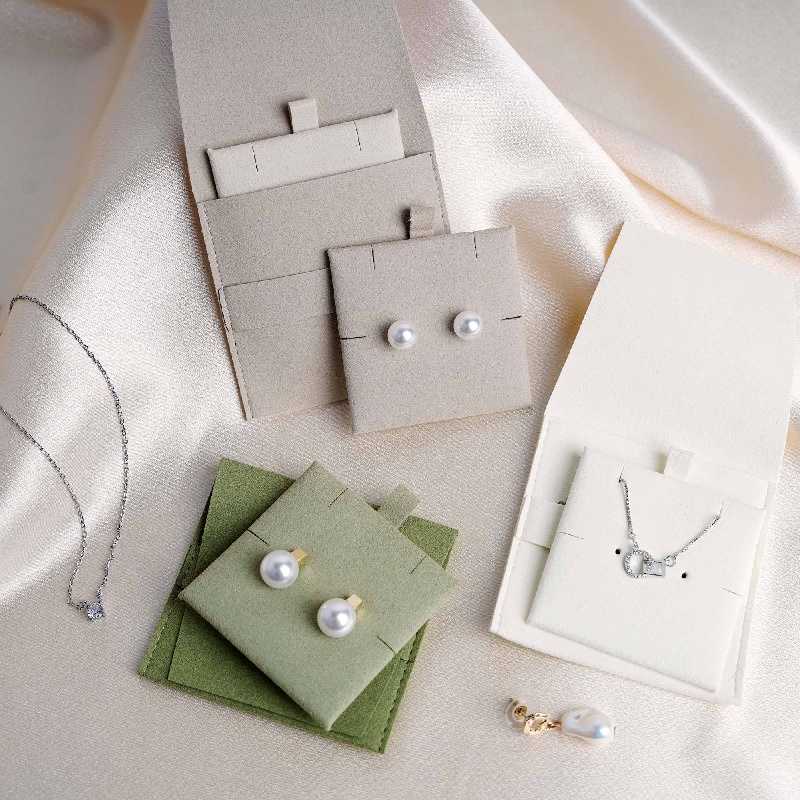
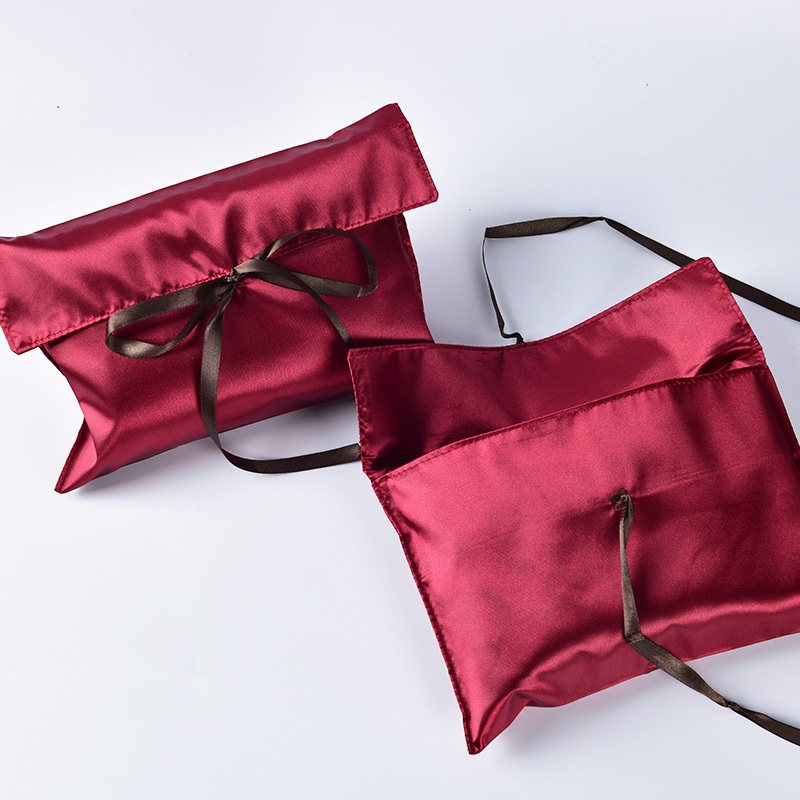
Velvet is often selected when the packaging must feel premium and product presentation is a major priority. A velvet gift bag and a velvet jewelry pouch may use similar fabric, but their size, lining and closure requirements can be different.
Common applications
- Rings, earrings, necklaces and bracelets
- Watches and boutique accessories
- Beauty gift sets and fragrance samples
- Event favors and seasonal retail gifts
- Collectibles and small premium products
Buyers should compare velvet pile density, backing, softness and color rather than relying only on the name “velvet.” For jewelry, confirm whether the item is loose, carded or boxed and whether lining or an insert is required. For gift programs, check drawstring quality, packing speed, carton arrangement and seasonal delivery timing.
Foil stamping can suit clean metallic logos. Embroidery works for simplified artwork with enough space. Screen printing and woven labels may be practical for other velvet surfaces and repeat programs. Every logo method should be tested on the selected fabric.
Explore custom velvet bags and pouches, and compare structures in our velvet gift bag vs jewelry pouch guide.
Jute Drawstring Bags, Totes and Shopping Bags
Jute is a plant fiber with a visible woven texture. Burlap commonly describes a coarse, open-weave fabric often made from jute, but buyers should still confirm the exact fiber content, fabric weight and finish offered for a project.
Common applications
- Drawstring gift and favor bags
- Wine and beverage gift packaging
- Coffee, food gift and farm-shop outer packaging
- Shopping totes and promotional bags
- Rustic event packaging
- Lifestyle, home and natural-product retail programs
Jute fabric can vary in weave density, stiffness, color, odor and fiber shedding. A tote or wine bag may also require a gusset, lining, lamination, stronger handles or reinforced seams depending on the packed product.
Screen printing is common for simple artwork. Heat transfer, woven labels, patches and hang tags may be considered when the surface is too coarse for detailed direct printing. Logo clarity should be checked on the actual fabric.
Browse custom jute drawstring bags, totes and shopping bags for wholesale structures, material options, logo methods, MOQ and RFQ details.
For a detailed ordering checklist, use our custom jute drawstring bag size, lining and logo guide before sampling.
How to Match the Material to the Product
Start with the product rather than a material trend or reference image.
Confirm:
- Product width, height, depth and packed weight
- Whether the product is loose, carded, boxed or grouped as a set
- Required opening, closure, handle or drawstring structure
- Whether lining, reinforcement or a base insert is needed
- Desired logo area and artwork detail
- How the bags will be filled, displayed, shipped and stored
- Whether one specification will be repeated in future orders
A soft cotton pouch may be suitable for a candle or cosmetic product but may not hold its shape on a shelf. Velvet may create a stronger gift presentation but use more packing volume. Jute may provide a textured retail look, but the weave and handle construction must match the product weight.
Matching Logo Methods to Cotton, Velvet and Jute
| Logo Method | Cotton | Velvet | Jute | Buyer Notes |
|---|---|---|---|---|
| Screen printing | Common | Possible on suitable surfaces | Common for simple bold artwork | Check line thickness, ink coverage and fabric color |
| Heat transfer | Possible on compatible fabric | Requires testing | Possible on selected constructions | Confirm adhesion, hand feel and surface compatibility |
| Foil stamping | Less common | Common for premium pouches | Usually use another method | Best with clean artwork and adequate flat space |
| Embroidery | Common on suitable weights | Common for simplified logos | Possible on suitable constructions | Stitch density can affect fabric shape and cost |
| Woven or cotton label | Common | Common | Common | Useful for consistent branding across several materials |
| Patch or hang tag | Useful for totes and gift bags | Flexible accessory branding | Useful on coarse woven surfaces | Confirm attachment, material and packing method |
Read our custom logo printing methods guide before preparing artwork for sampling.
Be Careful with Sustainability Claims
Natural appearance does not prove that a finished bag is recyclable, biodegradable, compostable or plastic-free. The final construction may include dyes, ink, adhesive, labels, lining, lamination, reinforcement or mixed-fiber components.
Before making an environmental claim, request the exact material composition and any supporting documentation required for the destination market. Terms such as “natural fiber,” “reusable,” “recycled,” “recyclable,” “biodegradable” and “compostable” describe different properties and should not be used interchangeably.
MOQ, Sampling and Lead Time
Most JasunBag custom packaging bag projects start from MOQ 500 pcs per style. MOQ may vary by material, color, size, construction, logo process and packing request.
A typical process is:
- Confirm product dimensions, weight and intended use.
- Select the material, fabric specification and bag structure.
- Send logo artwork, logo size, colors and placement.
- Review pricing and make a finished sample when required.
- Test product fit, closure, seams, logo and packing.
- Approve the specification before bulk production.
Samples normally take 3-7 days after artwork and construction details are confirmed. Bulk production usually takes 15-25 days depending on material availability, quantity, structure and logo process.
RFQ Checklist for Custom Packaging Bags
Send the following details for a faster and more accurate quotation:
- Product type and intended packaging use
- Preferred material or reference image
- Product dimensions and packed weight
- Required finished bag size, if known
- Quantity per material, size, color and style
- Bag structure, closure, handle or drawstring request
- Lining, lamination, reinforcement or insert requirements
- Logo artwork, colors, size and placement
- Preferred logo method, or ask for recommendations
- Individual or bulk packing requirements
- Destination country and target delivery date
- Required testing, care or material documentation
If the material is undecided, send the product details and target presentation first. A supplier can recommend two or three practical options for comparison during sampling.
Common Sourcing Mistakes
Selecting from a photo without a material specification
Fabric weight, weave, pile, color and finishing can change the result even when two bags look similar online.
Treating every natural-looking bag as environmentally equivalent
Cotton and jute are plant-based fibers, but the environmental profile of a finished bag depends on its complete material and construction.
Choosing the logo method after the bag specification
Material, artwork and logo process should be reviewed together. Fine text or gradients may require a different process from a simple solid logo.
Skipping a filled-product sample
An empty bag may look correct but change shape after loading. Test the actual product, opening, closure, logo and packing method together.
FAQ: Cotton, Velvet and Jute Bags
Which material is best for luxury packaging?
Velvet is commonly selected for luxury jewelry and gift presentation. The final result depends on pile density, lining, drawstring, logo method and product fit.
Which material is best for a natural retail look?
Cotton, canvas and jute can all create a natural appearance. Cotton is softer and more flexible, canvas is more structured, and jute has a coarser woven texture.
Are jute bags suitable for wine and heavier products?
Jute can be used for wine and heavier gift items when the fabric weight, base, seams and handles are designed for the packed load. Confirm the total weight and test the finished sample.
Can one logo be used across all three materials?
Yes, but the same production method may not suit every surface. A brand can keep the artwork consistent while using screen printing, foil, embroidery, labels or tags according to each material.
Can I order several sizes in one project?
Yes. List the quantity for every material, size, color and structure so MOQ and pricing can be reviewed by style.
Request a Custom Packaging Bag Quote
JasunBag has manufactured custom packaging bags since 2013, with material, size, color, closure and logo options for B2B orders. Compare the full custom packaging product catalog, or send your RFQ details with the product dimensions, preferred material, quantity, artwork, destination and delivery target.