· Updated · Customization Guide · 7 min read
Custom Logo Printing Methods for Packaging Bags: B2B Buyer Guide
Compare screen printing, heat transfer, foil stamping, embroidery, woven labels and patches for custom packaging bags before sending your RFQ.
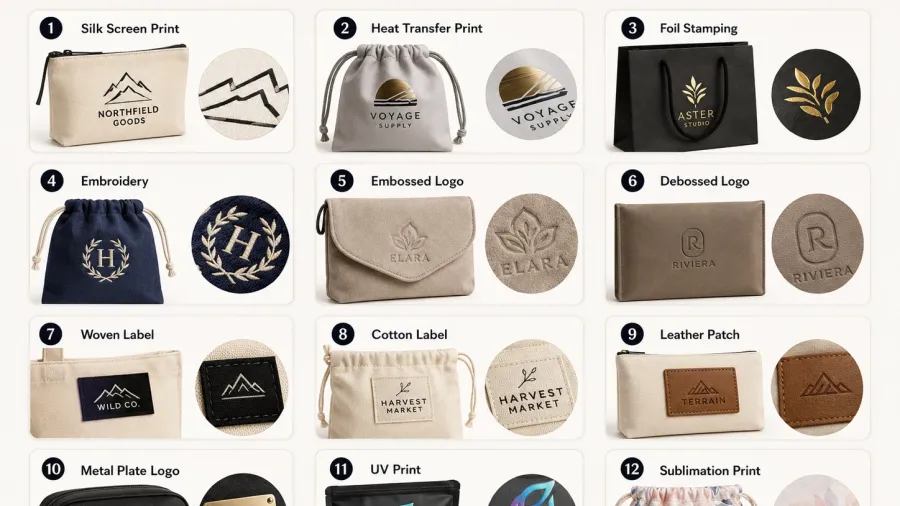
Logo quality is one of the first details buyers notice on custom packaging bags. A pouch can use the right material and size, but if the logo process does not match the fabric, artwork or brand positioning, the final packaging may look less professional than expected.
This guide is written for B2B buyers who source custom packaging bags with logo for jewelry, gifts, cosmetics, retail products and promotional programs. It compares common logo methods, explains when each process works best and lists the details a factory needs before quotation.
Why Logo Method Matters for Custom Packaging Bags
A logo process affects more than appearance. It can influence sample cost, bulk lead time, durability, material choice and even the minimum order quantity.
For example, a simple one-color logo on a cotton drawstring bag may work well with screen printing. A premium jewelry pouch may look better with foil stamping or embroidery. A detailed multi-color design may need heat transfer or a woven label.
Before choosing a logo method, buyers should consider:
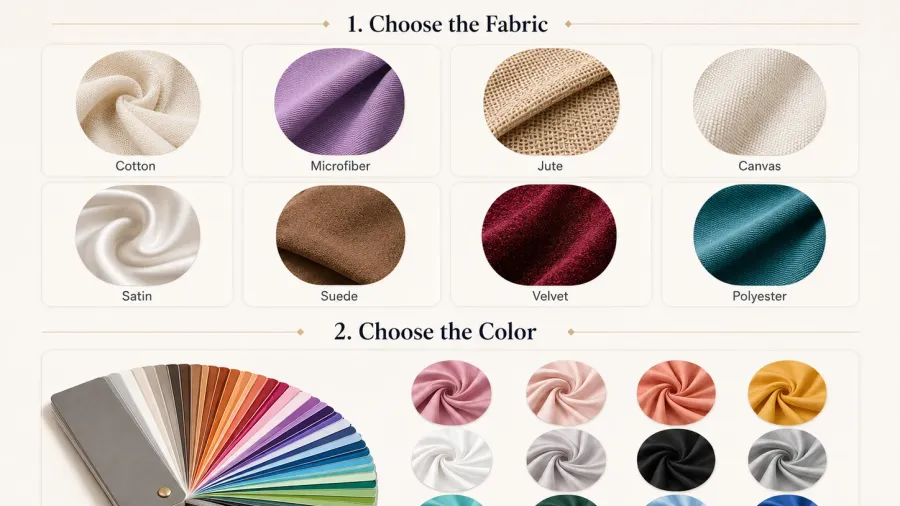
- Material surface: cotton, velvet, microfiber, satin, washable kraft or suede-look fabric
- Logo detail: thin lines, small text, gradients or solid shapes
- Brand style: natural, luxury, colorful, minimal or promotional
- Quantity and repeat order plan
- Budget for sampling and bulk production
- Whether the logo must survive repeated use or washing
Related category: custom jewelry pouches
Quick Comparison of Common Logo Methods
| Logo Method | Best For | Common Materials | Buyer Notes |
|---|---|---|---|
| Screen Printing | Simple solid-color logos | Cotton, canvas, microfiber, washable kraft | Practical and cost-effective for many B2B orders |
| Heat Transfer | Multi-color artwork and fine details | Polyester, microfiber, some satin and cotton blends | Useful when artwork has gradients or complex color |
| Foil Stamping | Premium metallic logos | Velvet, suede-look fabric, paper-like materials | Creates a luxury effect, often used for jewelry packaging |
| Embroidery | Premium textured branding | Velvet, cotton, canvas | Durable and raised, but small details need review |
| Woven Label | Repeat branding across many bag types | Cotton, velvet, satin, microfiber | Good for consistent brand identity on different materials |
| Hang Tag or Ribbon | Flexible brand presentation | Most bag types | Useful when direct logo printing is not ideal |
| Patch or Metal Plate | Luxury accessories and structured bags | Canvas, leather-look, premium pouches | Higher perceived value, usually needs more setup review |
1. Screen Printing
Screen printing is one of the most common choices for custom drawstring bags, cotton pouches, canvas bags and microfiber packaging. It works well for solid logos, simple text and one-color or limited-color artwork.
Best use cases
- Cotton drawstring bags for retail packaging
- Canvas tote bags with a brand logo
- Microfiber pouches with simple text
- Washable kraft bags with clean black or white artwork
- Promotional gift bags with repeat orders
Screen printing is usually practical for B2B buyers because it can balance cost, clarity and production efficiency. However, very small text or detailed gradients may not be the best fit.
2. Heat Transfer Printing
Heat transfer is useful when the logo contains multiple colors, gradients, small color areas or photo-like artwork. It can help reproduce more detailed designs than basic screen printing, depending on the material.
Best use cases
- Colorful brand artwork
- Event or seasonal gift packaging
- Microfiber bags with complex logo designs
- Cosmetic or lifestyle packaging with more visual detail
Buyers should confirm whether the selected fabric can handle the heat transfer process. The final effect can vary by fabric texture, color and coating.
If the pouch structure and product fit are still being selected, use our custom microfiber pouch size, style and logo guide before approving the artwork.
3. Foil Stamping
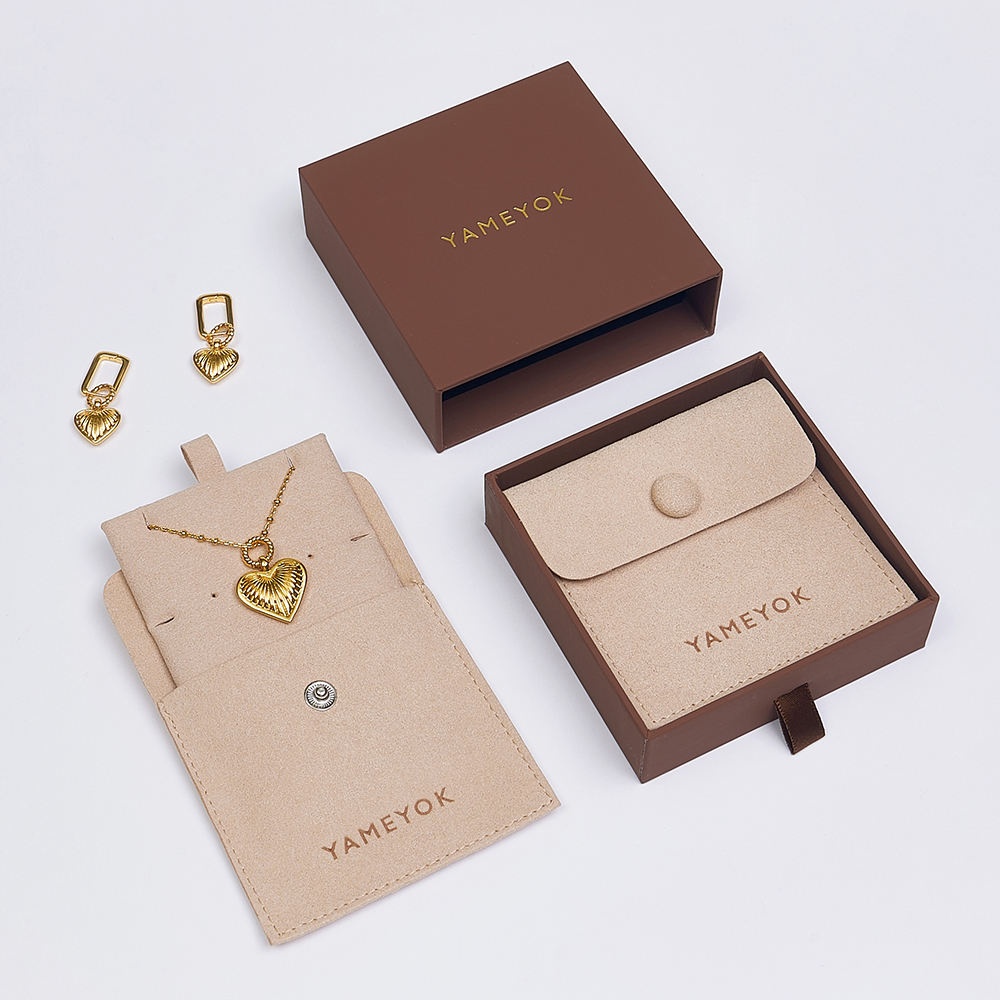
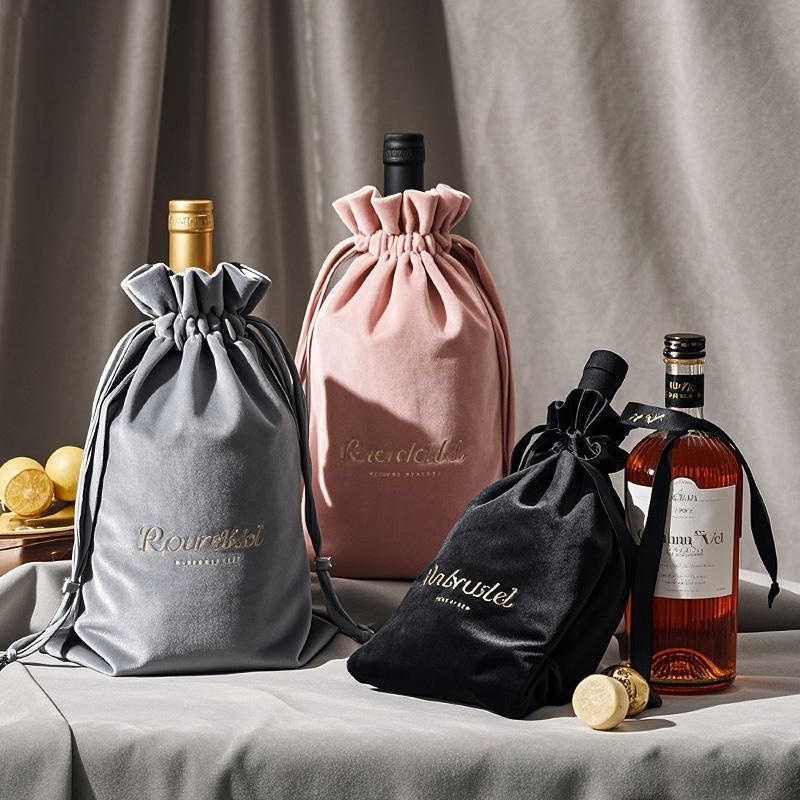
Foil stamping is popular for luxury packaging because metallic gold, silver or rose-gold effects can make a pouch feel more premium. It is often selected for velvet jewelry pouches, suede-look bags and boutique gift packaging.
Best use cases
- Velvet drawstring jewelry bags
- Premium gift pouches
- Boutique packaging for rings, necklaces and bracelets
- Small logo marks with luxury positioning
Foil stamping works best when the artwork is not too thin or overly detailed. Buyers should send vector artwork so the factory can check whether the logo lines and spacing are suitable.
Related category: velvet bags with logo
4. Embroidery
Embroidery gives a logo a textured, durable and premium feel. It is often used on velvet, cotton and canvas packaging when the buyer wants a more tactile brand mark.
Best use cases
- Luxury velvet pouches
- Cotton or canvas bags for boutique products
- Brand marks with simple shapes
- Gift packaging that needs a handcrafted impression
Embroidery is not always suitable for tiny text, thin lines or complex gradients. A simple logo usually performs better. The stitch density and thread color should be confirmed during sampling.
5. Woven Labels and Cotton Labels
Woven labels are useful when a brand wants consistent identity across different materials. Instead of printing directly on every fabric, the label can be sewn onto cotton, velvet, satin, microfiber or washable kraft bags.
Best use cases
- Multi-material packaging programs
- Repeat orders across several bag types
- Natural cotton or canvas bags
- Pouches where direct printing may not look clean enough
Labels can also help when the logo has fine detail. Buyers should confirm label size, placement, edge finish and sewing position before bulk production.
6. Hang Tags, Ribbons and Accessories
Not every logo needs to be printed directly on the bag. For some packaging programs, a hang tag, custom ribbon or branded label may give more flexibility.
This can be useful when:
- The bag material has a difficult surface
- The product line changes often
- The buyer wants to reuse the same pouch with different tags
- The brand wants a more gift-ready presentation
For B2B buyers, this approach can also make future reorder planning easier.
Matching Logo Methods to Materials
Different materials respond differently to logo processes. Here is a practical sourcing view:
| Material | Suitable Logo Methods | Notes |
|---|---|---|
| Cotton / Canvas | Screen printing, embroidery, woven label, hang tag | Natural surface, good for eco retail and promotional packaging |
| Velvet | Foil stamping, embroidery, woven label | Strong luxury effect, artwork detail needs review |
| Microfiber | Screen printing, heat transfer, woven label | Good for protective jewelry, eyewear and watch pouches |
| Satin | Heat transfer, label, ribbon, limited printing | Smooth surface, good for elegant gift programs |
| Washable Kraft | Screen printing, label, hang tag, patch | Natural texture, useful for lifestyle and eco packaging |
| Suede-look Fabric | Foil, embossing, debossing, label | Refined appearance for boutique packaging |
For satin gift bags, confirm the printable area after allowing for side seams, the drawstring channel and fabric gathering. Use our satin gift bag size guide to plan product fit and logo space, then compare custom satin gift bag styles for jewelry, beauty and wedding favor orders.
Browse materials in the product catalog.
What to Send Before Requesting a Quote
To get a faster and more accurate quotation, send these details with your RFQ:
- Bag type: drawstring pouch, envelope pouch, tote bag, gift bag or custom structure
- Material: cotton, velvet, microfiber, satin, washable kraft or other fabric
- Finished size: width x height, and depth if needed
- Quantity per style
- Bag color and drawstring or handle color
- Logo artwork: AI, PDF, SVG or high-resolution file
- Preferred logo process, if already known
- Logo size and placement
- Packing request
- Target delivery date and destination market
If you are not sure which logo process to use, send the artwork and reference photos. A factory can suggest options based on material, quantity, budget and brand positioning.
Sample Confirmation Checklist
Before approving bulk production, check the sample carefully:
- Is the logo position correct?
- Does the logo size match the approved mockup?
- Are the logo lines clear enough?
- Does the logo color match the brand requirement?
- Is the logo process suitable for the fabric texture?
- Are stitching, drawstring and edge finish acceptable?
- Does the finished pouch fit the product?
A short sample review can prevent larger issues in bulk production.
FAQ: Logo Printing for Custom Packaging Bags
What is the best logo method for velvet jewelry pouches?
Foil stamping and embroidery are common choices for velvet jewelry pouches because they create a premium effect. The best option depends on logo detail, fabric color and budget.
Can small text be printed on custom pouches?
Small text is possible in some cases, but it depends on the artwork, fabric and logo process. Vector artwork helps the factory check whether the text can remain clear.
Which logo method is most cost-effective?
Screen printing is often practical for simple one-color logos on cotton, canvas, microfiber and washable kraft bags. Complex designs may require heat transfer or labels.
Can I use different logo methods in one order?
Yes. Many B2B buyers use different logo methods for different materials or product lines. It is best to list quantity, material and logo method for each style.
Should I order a sample before bulk production?
Yes. A sample confirms real material, logo clarity, placement, color and workmanship before mass production.
Need Help Choosing a Logo Method?
JasunBag supports custom packaging buyers with material suggestions, logo process advice, sampling and bulk production. Explore our custom packaging services, compare product styles, or send your RFQ details for a focused recommendation.