· JasunBag Packaging Team · Sourcing Guide · 11 min read
Custom Jute Drawstring Bags: Sizes, Lining and Logo Printing for Wholesale Orders
Choose custom jute drawstring bags for wholesale packaging by comparing product fit, sizes, lining, lamination, logo printing, MOQ, sampling and RFQ details.
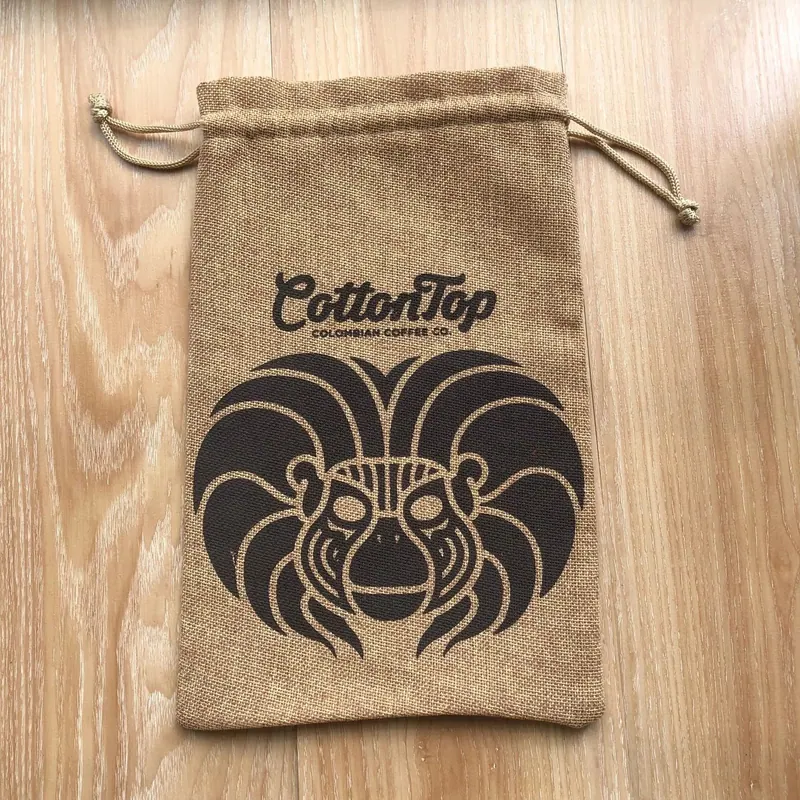
Custom jute drawstring bags are used for gift packaging, coffee and handmade products, event kits, retail programs and promotional sets that need a natural woven appearance. They can be made as compact burlap-style pouches, larger drawstring bags or more structured jute packaging with lining, lamination, custom trim and printed logos.
For a wholesale order, the visible fabric is only one part of the specification. Buyers also need to confirm the packed product, finished size, fabric construction, closure, lining or lamination, logo method, quantity and delivery requirements.
This guide explains how to source custom jute drawstring bags without relying only on a reference photo or a generic bag size.
Quick Answer
Choose the bag around the packed product and the required presentation.
- Measure the product after any box, wrapping, card or insert is included.
- Confirm whether the project needs a compact drawstring pouch, a gusseted gift bag or a structured tote.
- Review the fabric weave, weight, color and fiber description on an actual sample.
- Decide whether lining or lamination is needed for interior finish, structure or surface care.
- Test the logo at its finished size because a coarse woven surface can change print clarity.
- Approve product fit, seams, drawstring movement and packing before bulk production.
- Send quantities by size and color, destination country and target delivery date with the RFQ.
Most custom JasunBag jute bag projects start from 500 pcs per style. Samples normally take 3-7 days after the specification and artwork are confirmed, while bulk production usually takes 15-25 days depending on the material, construction and quantity.
Browse our custom jute drawstring bags, pouches and tote styles if you already know the packaging direction.
Jute, Burlap and Linen-Look Fabric
Jute is a plant fiber with a visible woven texture. Burlap usually describes a coarse, open-weave fabric that is often made from jute, while a linen-look material may use a different fiber or blend.
These names should not replace a material specification. Two bags described as jute or burlap can differ in weave density, stiffness, color, surface hair, odor, coating and hand feel.
Before approving a material, ask the supplier to confirm:
- Fiber description or composition
- Fabric weight or supplied material reference
- Weave density and surface texture
- Natural or dyed color
- Lining, backing or lamination
- Expected color and texture variation
- Suitability for the packed product
Approve the exact fabric in a finished sample. A digital photograph cannot reliably show weave density, surface texture or stiffness.
Choose the Right Jute Bag Structure
The structure affects usable space, packing speed, logo area and the amount of reinforcement required.
| Bag Structure | Suitable Applications | Buyer Checks |
|---|---|---|
| Small jute drawstring pouch | Jewelry boxes, candles, soaps, favors, samples and small gift items | Opening width, usable height below the drawstring, seam bulk and logo legibility |
| Flat jute drawstring bag | Coffee gifts, handmade products, event kits and promotional packs | Product depth, drawstring movement, front logo area and packing speed |
| Gusseted jute gift bag | Boxed products, bottles, multi-item sets and retail gifts | Base width, side gusset, product stability and reinforcement |
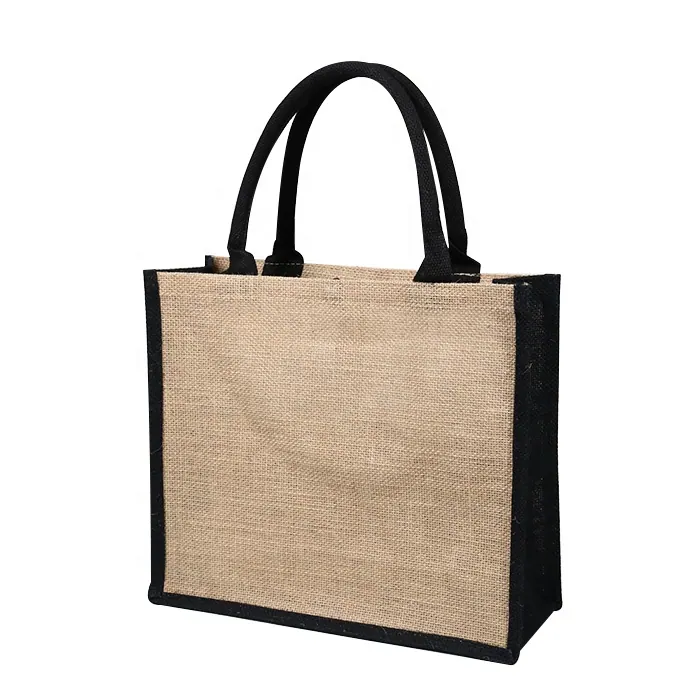
| Jute tote or shopping bag | Retail programs, exhibitions, wine, documents and promotional products | Packed weight, handle material, handle attachment, bottom structure and load-fit sample |
| Lined or laminated jute bag | Projects needing a cleaner interior, additional structure or easier surface care | Added thickness, complete material composition, recyclability claims and cost |
Drawstring Pouch or Gusseted Bag?
A flat drawstring pouch is efficient for relatively slim products and gift sets that do not need to stand upright. A product with significant depth may require additional width or a gusset so the seams and opening are not placed under unnecessary tension.
A gusseted bag creates more internal volume and can help boxed products or bottles sit more naturally. The buyer should confirm the base width, side gusset, finished height and whether the filled bag needs to stand.
Jute Drawstring Bag Size Reference
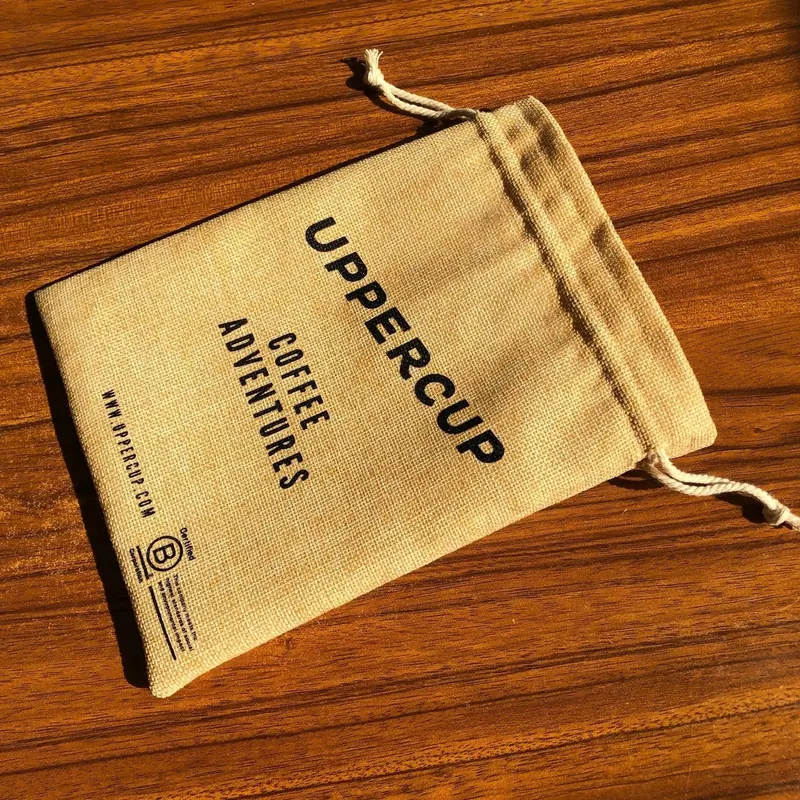
The following dimensions are sampling references only. Final sizing should be based on the actual packed product.
| Reference Finished Size | Possible Applications | Important Checks |
|---|---|---|
| 7 x 9 cm or 9 x 12 cm | Small favors, samples, coins, jewelry boxes and compact handmade products | Opening width, seam bulk, drawstring channel and minimum readable logo size |
| 10 x 15 cm or 13 x 18 cm | Soap, candles, coffee samples, accessories and promotional sets | Product depth, usable closure height, logo area and packing speed |
| 15 x 20 cm or 20 x 30 cm | Boxed gifts, bottles, larger retail products and multi-item sets | Weight, seam strength, lining, gusset and drawstring strength |
| 30 x 40 cm and larger | Larger gift packs, retail products and promotional kits | Material weight, reinforcement, carton volume and carrying method |
| Custom gusseted dimensions | Boxes, wine, coffee sets and products that need to stand | Width, height, side or bottom gusset, handle or cord position and load fit |
Do not select a bag from product width and height alone. Boxes, bottles and grouped products have depth, which reduces usable internal space and can prevent the drawstring from closing correctly.
How to Measure the Packed Product
Measure the product in the same condition in which it will enter the bag.
Confirm:
- Packed width, height and depth
- Total packed weight
- Whether the product is loose, boxed, wrapped or grouped
- The number of items per bag
- Any tissue, insert, card, label or protective layer included
- Whether the bag should fit closely or have a relaxed gathered shape
- Whether the filled bag needs to stand upright
- Required opening direction and closure
For a repeat retail or event program, also test how quickly staff can insert the product and close the drawstring. A close-fitting sample may look neat but create inefficient packing.
When to Add Lining
A lining can create a cleaner interior, reduce direct contact between the product and the coarse woven surface, and support a more finished presentation. It also changes the usable space, seam construction, cost and material composition.
Consider lining when:
- The product has a delicate or polished surface
- Small components could catch in an open weave
- The interior appearance is important to the brand
- The bag contains several loose items
- A cleaner color contrast is required inside the bag
Confirm the lining material, color, attachment and whether it should be loose or fully secured. Test the lined sample with the actual product rather than approving it empty.
When to Consider Lamination
Optional lamination can add structure, help stabilize the woven fabric or make the surface easier to wipe. It should be specified by function rather than added automatically.
Tell the supplier whether the goal is:
- A more structured shopping bag
- Improved shape retention
- Reduced fiber movement
- A smoother internal surface
- Easier surface care
Lamination changes the complete material construction. Do not describe every laminated jute bag as biodegradable, plastic-free or readily recyclable without checking the laminate, lining, ink, handles and local disposal system.
Choosing a Logo Method for Jute
The woven surface can affect fine lines, small text and solid ink coverage. Test the artwork on the selected fabric rather than approving it only on a digital mockup.
| Logo Method | Suitable For | Buyer Notes |
|---|---|---|
| Screen printing | Bold text, simple icons and solid-color logos | Practical for many jute bags; very fine artwork needs a production test |
| Heat transfer | Detailed or multi-color artwork | Confirm adhesion and appearance on the selected texture and any lamination |
| Woven label | Repeat branding across several bag materials or colors | Confirm label size, edge finish and sewing position |
| Embroidered patch | Raised branding and decorative applications | Review patch size, stiffness, attachment and effect on bag flexibility |
| Hang tag or packing label | Barcodes, product variants and flexible retail information | Useful when information changes between orders |
Send vector artwork when possible and confirm:
- Finished logo width and height in millimeters
- Logo colors and matching requirements
- Position measured from bag edges or seams
- Minimum line and text size
- Whether each bag size uses the same logo dimensions
- Whether the print is applied before or after sewing
Read our custom logo printing methods guide when comparing screen printing, heat transfer, labels, patches and tags.
Evidence to Review on a Jute Bag Sample
A useful sample approval should record more than the overall appearance. Ask for clear photos or measurements that show the specification being approved.
| Evidence | What It Should Confirm |
|---|---|
| Bag beside a ruler or dimension sheet | Finished width, height, gusset and drawstring or handle position |
| Close-up of the fabric | Weave, surface texture, natural variation and visible backing or lamination |
| Logo close-up | Edge clarity, color contrast, position and appearance on the woven surface |
| Filled product-fit photo | Usable internal space, closure, logo distortion and final presentation |
| Inside seam and lining photo | Stitching, seam finish, lining attachment and loose-fiber control |
| Handle or drawstring attachment photo | Cord movement, handle reinforcement and attachment method |
| Packing photo | Individual packing, labels and carton arrangement |
The purpose is not to create a universal pass/fail standard. It is to make sure the buyer and supplier approve the same construction before bulk production.
Sample Approval Checklist
During sampling, check:
- Material reference, weave and color
- Finished dimensions and usable internal space
- Product fit and filled-bag appearance
- Drawstring channel, cord movement and closure
- Seams, thread color and loose-fiber control
- Lining or lamination construction when included
- Logo size, position, clarity and color contrast
- Handle attachment and packed load fit for totes
- Individual packing and carton arrangement
For bags intended to carry heavier products, provide the packed weight and approve a product-load sample. Do not assume that one handle or seam construction suits every application.
MOQ, Sampling and Lead Time
Most custom JasunBag jute bag projects start from MOQ 500 pcs per style. MOQ can vary by material, dyed color, size, structure, lining, lamination, logo process and packing requirement.
A typical development process is:
- Send the packed product dimensions, weight, photos and intended use.
- Select the bag structure, material, color and closure.
- Confirm any lining, lamination, gusset, trim or reinforcement.
- Provide logo artwork, finished dimensions, colors and placement.
- Review a drawing or physical sample.
- Record product fit, dimensions, construction, logo and packing evidence.
- Confirm bulk quantities by size and color.
Samples normally take 3-7 days after artwork and construction details are confirmed. Bulk production usually takes 15-25 days depending on material availability, construction, quantity and production schedule.
Jute Bag RFQ Checklist
Include the following information for a focused quotation:
- Bag type and intended application
- Packed product width, height, depth and total weight
- Required or reference finished bag size
- Flat, gusseted, drawstring, tote or custom structure
- Quantity by size, color and style
- Natural or dyed material preference
- Lining or lamination requirement and its purpose
- Drawstring, handle, trim and reinforcement details
- Logo artwork, finished size, colors and placement
- Preferred printing, label, patch or tag method
- Individual packing, barcode and carton requirements
- Destination country
- Target delivery date
- Product photos or a physical reference when available
If the correct structure is unclear, send the packed product details first. A supplier can recommend one or two directions for sampling without guessing from a generic product name.
Common Jute Bag Sourcing Mistakes
Treating Jute and Burlap as One Fixed Specification
The terms describe a broad material and appearance. Confirm fiber, weave, weight, color and any backing on the sample.
Measuring Only Width and Height
Product depth and packed weight affect usable space, seam tension, gusset design and handle reinforcement.
Choosing a Detailed Logo Without Testing the Fabric
A coarse woven surface can change fine lines and small text. Test the artwork at its actual production size.
Adding Lamination Without Reviewing the Claim
Lamination may improve structure but changes the complete material composition. Review any environmental statement against the finished bag.
Approving an Empty Bag
Fill the sample with the real product to check closure, shape, logo position, seams and handling.
Sending Delivery Requirements Too Late
Sampling, artwork approval, production and shipping all affect timing. Include the destination and target delivery date in the first RFQ.
FAQ: Custom Jute Drawstring Bags
What is the difference between a jute bag and a burlap bag?
Jute is a plant fiber, while burlap usually describes a coarse open-weave fabric often made from jute. Confirm the exact fiber, weave, weight and finish offered for the order.
Can jute drawstring bags be printed with a custom logo?
Yes. Screen printing is common for bold artwork, while heat transfer, woven labels, patches and hang tags can suit other artwork or surface requirements. Test the logo on the selected fabric.
Should a jute pouch have a lining?
It depends on the product and required interior finish. A lining can reduce direct contact with the coarse surface and create a cleaner interior, but it changes usable space, cost and material composition.
Are laminated jute bags recyclable or biodegradable?
No single claim applies to every finished bag. The fiber, laminate, ink, lining, handles and local disposal system all matter. Review the complete construction before using an environmental claim.
What size jute drawstring bag should I order?
Start with the packed product width, height, depth and weight, then allow for seams, the drawstring channel and any gusset. Approve the final dimensions with a filled product-fit sample.
What is the MOQ for custom jute bags?
Most projects start from 500 pcs per style. MOQ can vary by size, dyed color, lining, lamination, logo method, trim and packing requirement.
What should I check on a jute bag sample?
Check the material, color, dimensions, product fit, seams, drawstring or handles, lining or lamination, logo clarity, packing and any load requirement.
Request a Custom Jute Bag Quote
JasunBag manufactures custom jute drawstring bags, burlap pouches, gift bags and structured totes for B2B wholesale packaging programs. Browse our jute bag collection, compare cotton, velvet and jute packaging materials, or send your RFQ with the product dimensions, packed weight, bag structure, quantity, material, logo artwork, destination and target delivery date.