· Sourcing Guide · 10 min read
Jewelry Packaging for Small Business: Pouch vs Box, Shipping Protection and MOQ
Choose jewelry packaging for a small business by comparing pouches and boxes, shipping protection, anti-tangle packing, materials, MOQ and sampling.
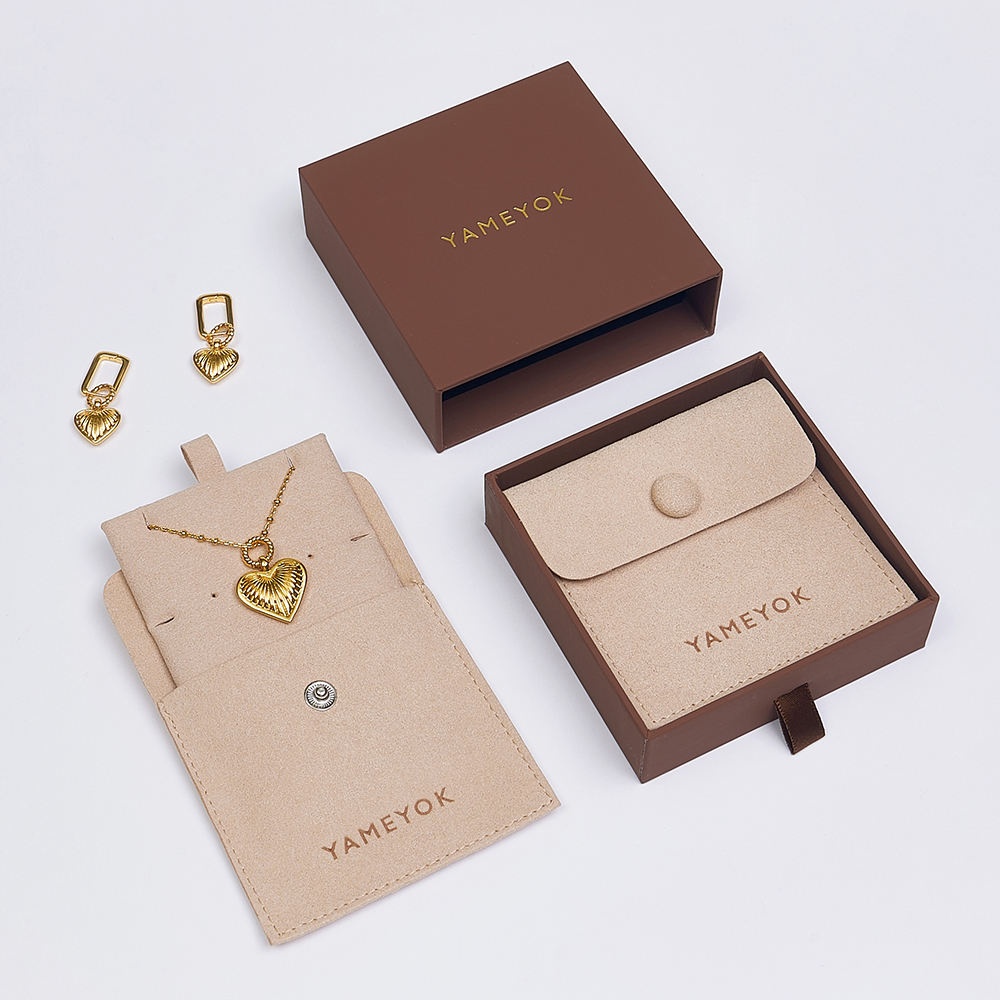
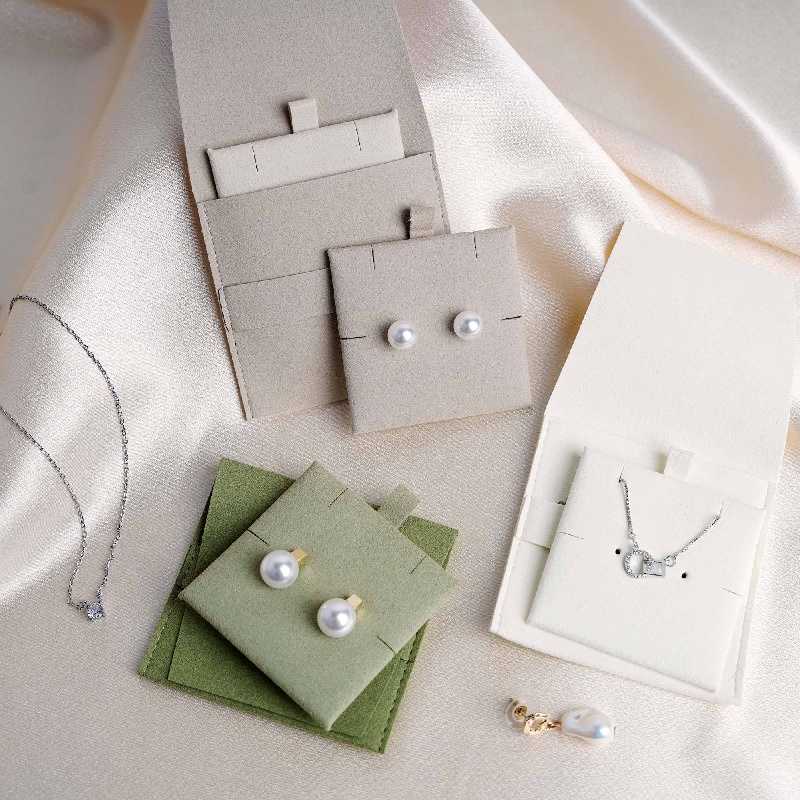
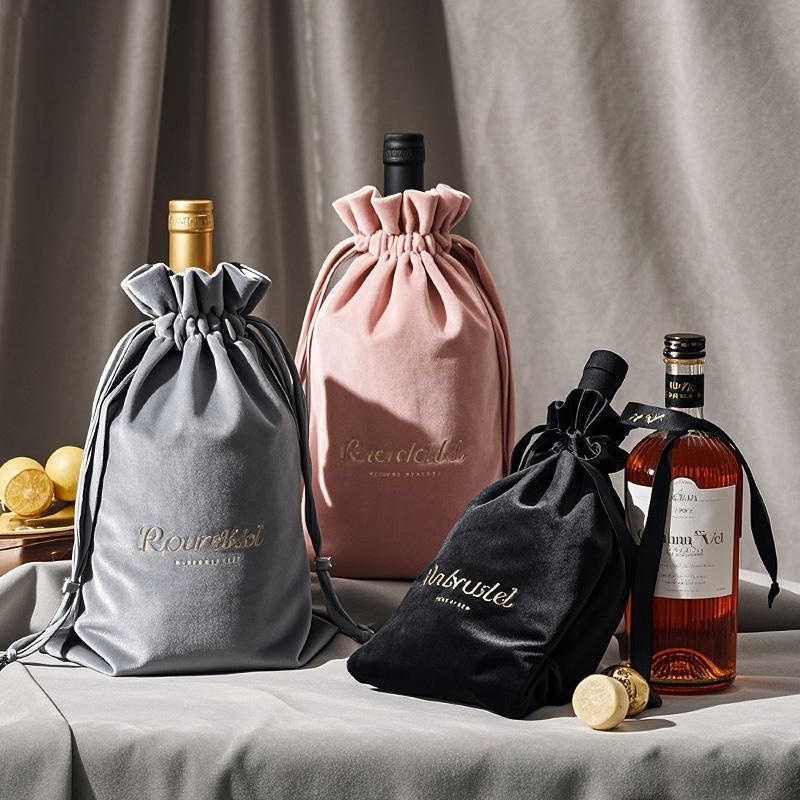
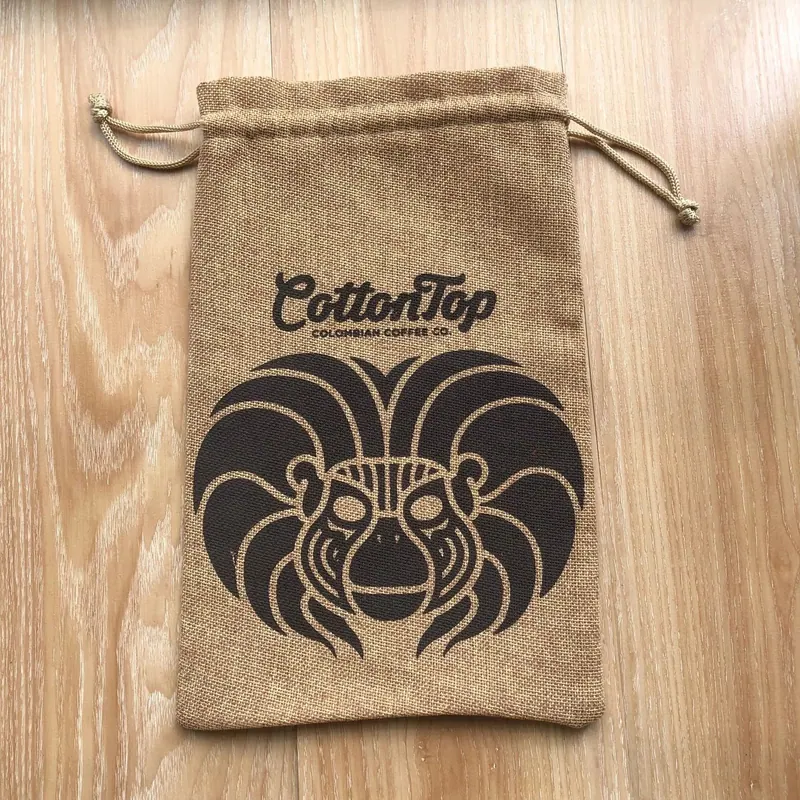
Small jewelry businesses often begin with a simple question: should each piece go in a pouch, a box or both? The answer affects much more than presentation. It changes shipping weight, protection, packing speed, storage space, minimum order quantity and the customer’s unboxing experience.
The best jewelry packaging is usually a system rather than one container. A pouch can protect the surface and carry the brand. A card or insert can control movement. A box can resist crushing. An outer mailer or shipping carton protects the complete pack in transit.
This guide helps jewelry brands, Etsy and Shopify sellers, boutiques and wholesale buyers plan jewelry packaging for a small business without confusing presentation packaging with shipping protection.
Quick Answer: Should a Small Jewelry Business Use a Pouch or a Box?
- Choose a pouch when lightweight presentation, compact storage, reuse and a soft branded surface are priorities.
- Choose a box when the product needs stronger crush resistance, a fitted insert or a more structured gift presentation.
- Choose a pouch inside a box when the brand wants both a reusable keepsake pouch and stronger protection.
- For shipping, do not rely on a soft pouch alone. Secure the jewelry, control movement, and use an appropriate protective outer package.
For many growing brands, one pouch style in a stock fabric color with a simple logo is easier to repeat than several highly customized boxes. The correct route still depends on jewelry value, shape, fragility, sales channel and order volume.
Browse our custom jewelry pouch styles if a fabric pouch is part of your packaging direction.
Use a Four-Layer Jewelry Packaging System
Thinking in layers makes packaging decisions easier and prevents one component from being expected to do every job.
| Layer | Main Job | Common Options | Buyer Check |
|---|---|---|---|
| Product control | Keep the piece organized and prevent parts from rubbing or escaping | Jewelry card, insert, small inner sleeve, clasp control or individual wrap | Does the piece stay in position during handling? |
| Brand presentation | Create the customer-facing look and reusable storage experience | Velvet, microfiber, satin or cotton pouch; jewelry box | Does it match the product value and brand style? |
| Structural protection | Reduce crushing, bending and impact | Small inner box, fitted carton or rigid presentation box | Is there enough support without excessive empty space? |
| Transit packaging | Protect and identify the shipment | Corrugated shipping box or suitable padded mailer, cushioning and shipping label | Does the complete pack pass the brand’s shipping test? |
A soft jewelry pouch is normally the brand-presentation layer, not the complete shipping package. It can reduce direct rubbing and keep small items together, but it cannot stop a parcel from being crushed.
Jewelry Pouch vs Box: Practical Comparison
| Decision Point | Jewelry Pouch | Jewelry Box | Pouch Inside a Box |
|---|---|---|---|
| Packing weight | Lower | Higher | Highest of the three routes |
| Storage before use | Compact | Requires more space | Requires space for both components |
| Crush protection | Low | Medium to high, depending on construction | Box provides structure; pouch adds surface protection |
| Gift presentation | Soft, flexible and reusable | Structured and display-ready | Premium layered presentation |
| Size flexibility | Easy to develop around different products | Inserts and dimensions need closer fit | Most specification work |
| Common uses | Fashion jewelry, charms, bracelets, watches, after-sales storage | Rings, earrings, pendants and gift-ready pieces | Premium collections, watches and higher-value sets |
The decision should not be based only on product price. A long necklace may need more movement control than a compact ring, even if both have the same retail value. A fragile stone setting may need a fitted insert, while a smooth bracelet may work well in a soft pouch inside a small shipping box.
How to Package Jewelry for Shipping Without Tangling or Scratching
Shipping protection starts before the jewelry enters the branded pouch.
Necklaces and Chains
- Fasten the necklace to a card or insert at more than one point.
- Keep the chain from forming a loose coil inside an oversized pouch.
- Separate pendants from chain sections that may rub during movement.
- Test the full pack by handling and gently shaking it in the orientation used for shipping.
Earrings
- Secure earrings to a card and confirm the backs cannot come loose.
- Keep pairs together and prevent posts or hooks from pressing into the pouch fabric.
- Use enough internal space so the card enters without bending.
Rings, Bracelets and Watches
- Prevent hard surfaces from touching each other when several pieces share one package.
- Use a fitted insert or separate inner wraps when movement could damage plating, polished surfaces or stones.
- For watches and larger bracelets, check opening width and usable pouch dimensions rather than only the flat outside size.
The finished shipping sample should contain the real jewelry, card, insert, pouch, box, cushioning and outer package. An empty pouch sample cannot show whether chains tangle, cards bend or the logo becomes hidden after packing.
Choose the Jewelry Pouch Material by Use Case
The material affects hand feel, logo clarity, protection level, packing volume and brand position.
| Pouch Material | Strongest Buyer Reason | Common Applications | Sample Checks |
|---|---|---|---|
| Microfiber | Clean surface, light weight and soft contact | Watches, eyewear, polished jewelry and travel storage | Fabric weight, color transfer, seams, drawstring friction and product fit |
| Velvet | Plush presentation and luxury gift appearance | Rings, bracelets, charms and boutique collections | Pile density, surface marking, lining, drawstring and foil or embroidery clarity |
| Satin | Smooth, bright and event-ready presentation | Wedding jewelry, charms, favors and beauty-jewelry sets | Creasing, transparency, seam tension, logo method and closure space |
| Cotton or canvas | Natural, reusable and casual brand direction | Handmade jewelry, lifestyle brands and promotional programs | Fabric weight, weave, shrinkage expectations, print clarity and color variation |
| Suede-look fabric | Refined soft-touch appearance with a clean panel | Necklaces, bracelets, watches and boutique accessories | Surface direction, edge finish, color consistency and logo process |
Use our complete jewelry pouch material comparison to review velvet, microfiber, satin, cotton and suede-look options in more detail.

Can Jewelry Packaging Prevent Tarnish?
No fabric pouch should be described as anti-tarnish without evidence for the complete packaging system and the specific jewelry material.
Tarnish and surface changes can be influenced by metal composition, plating, humidity, residues, air pollutants and materials used in the package. Fabric, foam, adhesives, paper, inserts and care products should therefore be reviewed together rather than judging the outer pouch alone.
For a jewelry brand:
- Define the exact metal, plating, stone and finish being packed.
- Ask the jewelry manufacturer or care specialist for storage requirements.
- Test the actual pouch, insert, box and any adhesive or printed component together.
- Avoid making anti-tarnish, acid-free or chemical-safety claims without supporting material documents and testing.
- Include approved care instructions when the product needs specific storage conditions.
JasunBag can develop a pouch around a confirmed packaging specification, but the buyer should validate compatibility with the finished jewelry before bulk production.
Jewelry Packaging Ideas by Business Stage
Stage 1: Validate the Product and Packing Method
If sales volume is still uncertain, use stock packaging, labels, cards or a limited number of standard sizes while testing what customers buy. This avoids splitting a very small order across too many colors and structures.
Stage 2: Introduce One Custom Pouch System
When the brand can use at least 500 pieces per style, choose one repeatable pouch material, one fabric color and one clear logo method. If several jewelry products fit the same pouch, use separate cards or inserts to control the piece without changing the outer bag.
Stage 3: Build a Packaging Family
Add a second pouch size or a more premium material only when the SKU volume supports it. Keep shared fabric colors, labels or logo proportions where possible so the packaging family still looks consistent.
Stage 4: Add Premium or Seasonal Layers
Use lined velvet, special artwork, limited-edition colors, boxes, ribbons or coordinated gift bags for higher-value collections and seasonal launches. Confirm quantities and deadlines by version before sampling.
How MOQ Affects Custom Jewelry Packaging
Most JasunBag custom jewelry pouch projects start from 500 pcs per style. MOQ can change by material, size, color, lining, closure, logo method and packing request.
The phrase “500 pieces” does not always mean that 500 units can be divided freely across many versions. For example, 250 velvet pouches in one color and 250 microfiber pouches in another are two different specifications, not one simple 500-piece style.
To keep a first custom order practical:
- Use one material and one stock color when possible.
- Limit the number of finished sizes.
- Keep one logo method across the range.
- Use cards or inserts to adapt one pouch to several jewelry SKUs.
- Confirm whether each color, size and artwork version has its own MOQ.
- Compare packing volume and freight impact before adding boxes or heavy inserts.
If the business is not ready for 500 custom pouches, continue validating with stock packaging until repeat demand supports a production run. A realistic order plan is better than forcing a custom specification too early.
What to Check on a Jewelry Packaging Sample
Check the complete, packed sample rather than reviewing the pouch on a table.
- Jewelry fit and insertion speed
- Opening width and usable internal size
- Whether necklaces, earrings or small parts remain controlled
- Fabric hand feel, color and surface cleanliness
- Stitching, seams, lining and closure function
- Logo clarity, size, position and color
- Interaction with cards, inserts, boxes and adhesives
- Movement inside the presentation pack
- Movement and protection inside the outer shipping package
- Barcode, label and individual packing requirements
Photograph the approved sample, record the finished dimensions and keep the approved artwork version with the bulk-order specification.
RFQ Checklist for Custom Jewelry Pouches
Send these details for a more focused quotation:
- Jewelry type: ring, earrings, necklace, bracelet, watch, charm or set
- Product dimensions and whether it is loose, carded or boxed
- Required finished pouch size, if known
- Preferred material, color and lining
- Pouch structure and closure
- Quantity per size, color and artwork version
- Logo artwork, logo size and preferred method
- Inner card, insert or packaging compatibility requirements
- Individual or bulk packing
- Destination country and target delivery date
Use our detailed custom jewelry pouch RFQ checklist before contacting suppliers.
Common Jewelry Packaging Mistakes
Treating the Pouch as the Shipping Package
A pouch can organize and present jewelry, but it does not provide reliable crush protection by itself.
Choosing One Size for Every Piece
An oversized pouch allows movement and can weaken presentation. A tight pouch can bend cards, press on posts or prevent the closure from working.
Adding Too Many Custom Versions to the First Order
Multiple fabrics, colors, sizes and logos increase sampling work, MOQ complexity and the chance of packing mistakes.
Approving the Material Without the Actual Jewelry
A swatch cannot confirm product fit, chain control, logo position or compatibility with inserts and adhesives.
Promising Anti-Tarnish Performance Without Testing
Tarnish depends on the jewelry and the full storage environment. Make only claims supported by the relevant documents and completed tests.
FAQ: Jewelry Packaging for Small Business
Is a jewelry pouch enough for shipping?
Usually not. A pouch can protect the surface and provide branded presentation, but jewelry should also be secured against movement and placed in suitable structural and transit packaging.
Is a pouch or a box better for a small jewelry business?
A pouch is lighter, easier to store and reusable. A box provides more structure and display control. Many brands use a pouch for presentation and a small box or outer carton for protection.
What is the best pouch material for jewelry?
Microfiber suits clean, lightweight protection; velvet suits premium gift presentation; satin suits events and lightweight gifts; cotton suits natural lifestyle branding. Test the actual jewelry in the finished sample.
How can I stop necklaces from tangling during shipping?
Secure the chain to a card or insert at multiple points, control the pendant, avoid excessive empty space and test the complete packed sample before bulk production.
What is the MOQ for custom jewelry pouches?
Most JasunBag custom pouch projects start from 500 pcs per style. MOQ may vary by fabric, size, color, lining, closure, logo process and packing requirement.
Can a fabric pouch guarantee anti-tarnish protection?
No general guarantee should be made without testing the specific jewelry and complete packaging system. Review metal, plating, humidity, fabric, inserts, adhesives and care requirements together.
Plan Your Jewelry Packaging System
JasunBag manufactures custom jewelry pouches in microfiber, velvet, satin, cotton and other soft-touch materials for B2B orders. Compare our jewelry pouch collection, explore microfiber pouch styles and velvet packaging options, or send your RFQ with the jewelry type, packed dimensions, quantity, material, logo artwork, destination and delivery target.